2026 Top CNC Cutting Techniques You Need to Know?
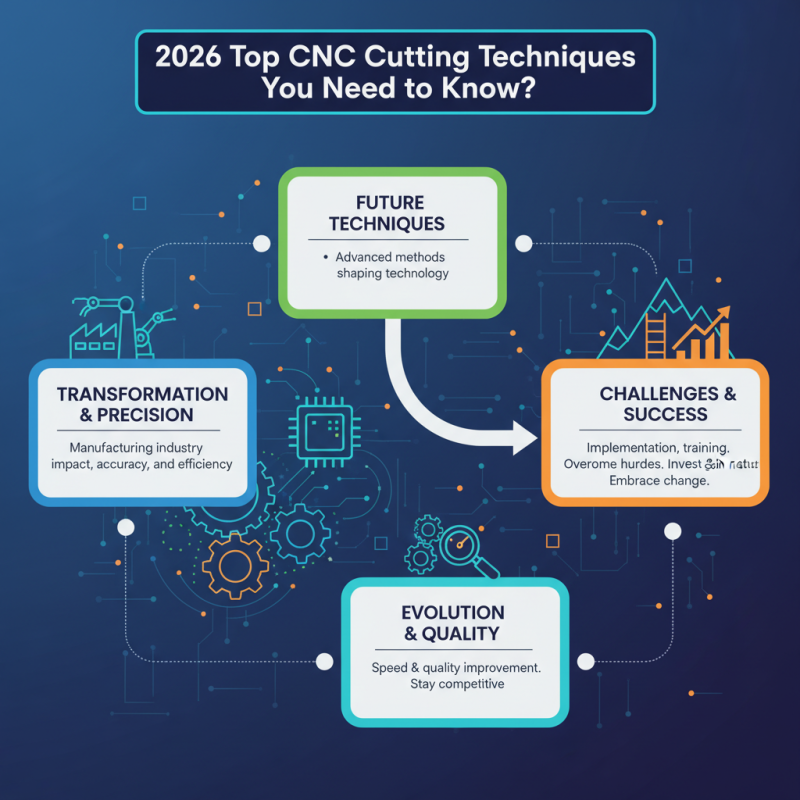
CNC cutting has transformed the manufacturing industry. It allows for precision and efficiency in various applications. As we look towards 2026, several advanced techniques will shape the future of this technology.
Understanding these techniques is crucial. CNC cutting methods are evolving rapidly. They improve not just speed but also quality. Companies must keep pace with these innovations to stay competitive. However, it is not always easy to adapt. There are challenges in implementation and training staff.
Some techniques may seem intimidating at first. Overcoming these hurdles requires time and effort. Yet, the benefits of mastering CNC cutting are significant. Businesses that invest in learning these methods often see major returns. The world of CNC cutting is dynamic, and embracing change is essential for success.
Overview of CNC Cutting Techniques in 2026
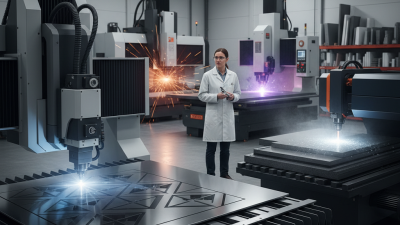
CNC cutting techniques are evolving rapidly, particularly in 2026. Many tools and technologies are emerging. Laser cutting remains popular for its precision. It’s efficient and can handle intricate designs. Water jet cutting is another noteworthy method. It uses high-pressure water to cut materials. This technique is excellent for thick materials. Each method has its pros and cons.
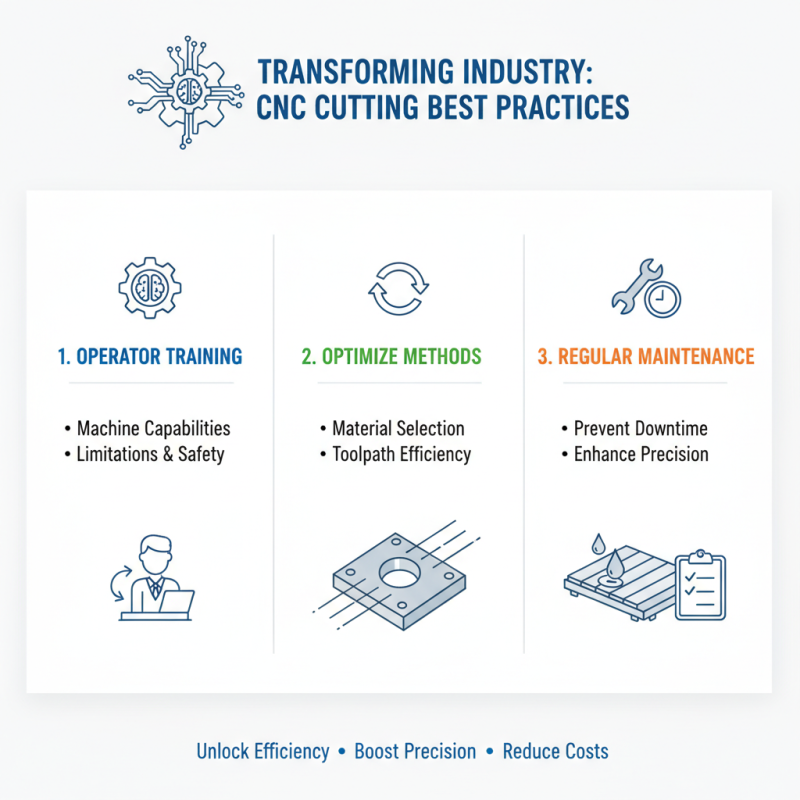
However, challenges exist. Not all materials respond well to every cutting technique. For instance, some may warp when cut with a laser. Others might be too brittle for water jet cutting. It's vital for operators to select the right method. Training and skills are essential in achieving optimal results. Many workshops fail to invest in continuous education, leading to mistakes.
Emerging techniques like plasma cutting are gaining traction. These can cut through metals quickly but may leave rough edges. Some manufacturers still overlook the importance of finishing processes. CNC cutting is not just about speed; quality remains crucial. The right balance between speed and precision is often hard to find. Operators should reflect on their methods regularly.
Comparative Analysis of Traditional vs. Advanced CNC Techniques
In the realm of CNC cutting, traditional techniques often rely on manual adjustments and extensive operator expertise. Operators must skillfully manage speeds and feeds, which can lead to variability in results. This reliance on human intervention introduces potential for errors. In contrast, advanced CNC techniques use automation and sophisticated software to enhance precision. These innovations minimize human error, achieving consistent outcomes.
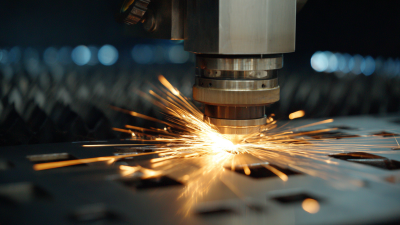
Think about laser cutting, which exemplifies advanced techniques. It uses focused light beams to slice materials with incredible accuracy. This method often reduces waste, but it may lack the versatility of older processes.
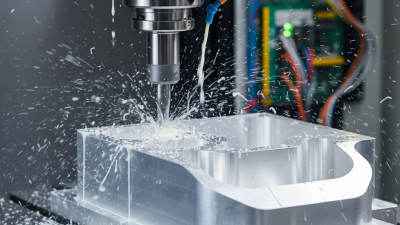
Waterjet cutting, while traditional, offers solutions for more complex materials. The simplicity of setup can be both a strength and a limitation. While advanced methods streamline production, they also require substantial investment in technology.
The comparison between traditional and advanced methods offers vital insights. While advanced techniques boast efficiency, traditional methods can be more adaptable to unique carving needs. Users should weigh these factors carefully. A balance between cutting-edge technology and time-tested techniques can lead to the best outcomes in various projects. Each approach has its strengths and weaknesses. Understanding these can help in making informed choices.
Key CNC Cutting Methods: Laser, Waterjet, Plasma, and More
CNC cutting techniques are vital in modern manufacturing. Industries rely on precise cuts, and various methods stand out. Laser cutting is renowned for accuracy. It uses high-powered lasers to slice through materials. This method is ideal for intricate designs and thin materials. Research shows that laser cutting has increased efficiency by up to 30% in many applications.
Waterjet cutting is another key player. It employs high-pressure water mixed with abrasives to cut through durable materials. This technique is versatile and environmentally friendly. Interesting data suggests that waterjet technology can minimize material waste by about 25%. However, it may not be the best choice for all materials, especially thick metals.
Plasma cutting uses accelerated jets of hot plasma. This method is fast but may leave rough edges. It’s crucial to consider post-processing steps. While plasma cutting offers speed advantages, its finish can complicate certain projects. Each method has unique pros and cons. Balancing speed, quality, and cost is essential for manufacturers today.
2026 Top CNC Cutting Techniques
Emerging Technologies Influencing CNC Cutting in 2026
The CNC cutting industry is rapidly evolving, driven by emerging technologies. By 2026, we can expect significant changes in how CNC cutting processes are performed. For instance, advanced automation is on the rise. A recent industry report predicts that automation will boost productivity by up to 30%. This increase is crucial for companies aiming to meet growing demand while reducing operational costs.
Artificial intelligence (AI) is also making waves in CNC cutting. AI-driven systems can analyze vast amounts of data in real-time. This capability allows for more accurate cutting forecasts and improved quality control. According to market analysis, the use of AI in manufacturing could lead to a 15% decrease in material waste. However, the integration of such technologies poses challenges. Businesses must invest in new training for their workforce to keep up.
Another significant trend is the rise of additive manufacturing, which complements CNC cutting. Combining these techniques can enhance production capabilities. A report highlights that businesses adopting hybrid approaches see a 20% increase in efficiency. Despite the excitement around these advancements, companies must be cautious. Transitioning technologies involves risks and potential setbacks. Balancing innovation with practical implementation is key for success in 2026 and beyond.