What are the Benefits of Laser Cutting for Global Buyers?
Laser cutting technology has revolutionized manufacturing globally. Experts like Dr. Emily Chen, a leading authority in laser technologies, state, "Laser cutting is not just efficient, but it opens avenues for creativity." This precision cutting method provides numerous advantages for international buyers.
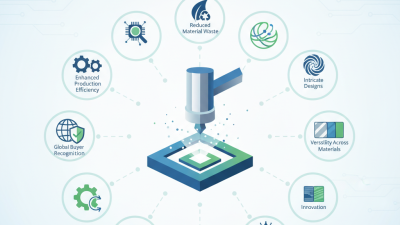
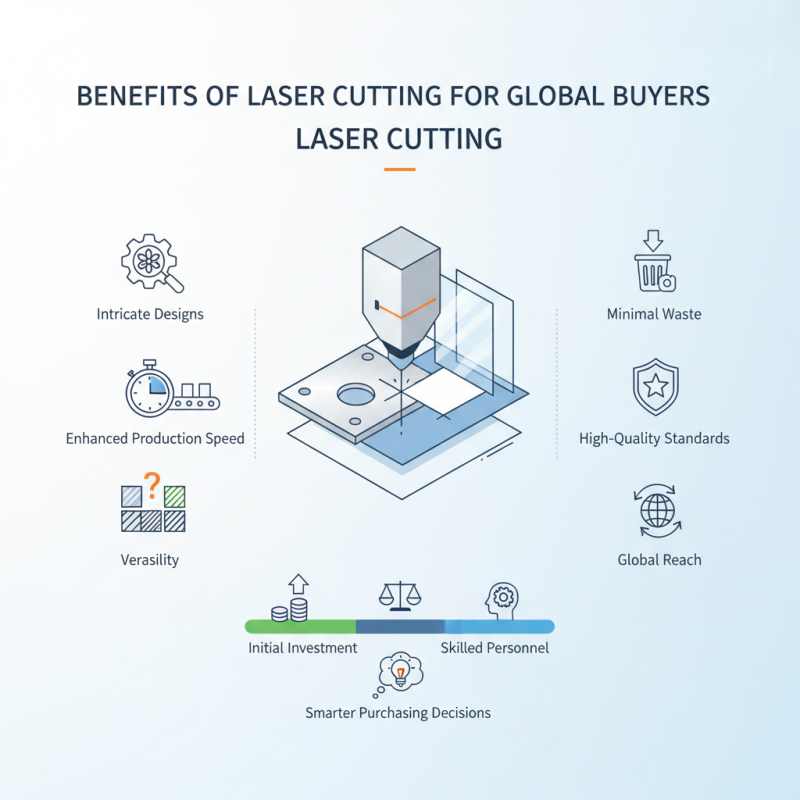
By employing laser cutting, companies can achieve intricate designs with minimal waste. It enhances production speed while maintaining high-quality standards. Laser systems can handle various materials, from metals to plastics, offering versatility. However, despite these benefits, many companies still face challenges. The initial investment can be substantial, and skilled personnel are required to operate the equipment effectively.
As the industry evolves, exploring all facets of laser cutting becomes essential. Buyers must weigh the benefits against their specific needs and circumstances. There's a growing need for ongoing support and education in this field. Understanding these dynamics can lead to smarter purchasing decisions. Investing in laser cutting can be transformative, but only with the right knowledge.
Advantages of Laser Cutting for Precision Manufacturing
Laser cutting has transformed precision manufacturing by offering unmatched accuracy and speed. This advanced technology uses focused laser beams to cut materials with exceptional precision. Thick metals, plastics, and wood can be processed. The results often feature clean edges and intricate designs. For companies aiming for high-quality products, laser cutting proves indispensable.
In addition to precision, laser cutting enhances efficiency. The automated process minimizes manual labor and reduces waste. More materials can be processed in less time. Global buyers value this capability, especially in industries requiring quick turnarounds. However, there are challenges. The initial setup costs can be high. Smaller companies may struggle with investment. Yet, the long-term benefits often outweigh these concerns.
Quality control is another significant benefit. Laser cutting reduces the risk of human error, leading to consistent results. Detailed inspections become unnecessary as the technology ensures standardization. However, reliance on machinery can raise concerns about technical failures. Businesses must continuously evaluate their equipment and approach to remain competitive in the market.
Cost Efficiency of Laser Cutting Techniques for Global Buyers
Laser cutting technology has revolutionized manufacturing by offering significant cost savings for global buyers. A recent industry report states that laser cutting can reduce fabrication costs by up to 30% compared to traditional methods. Companies that adopt laser cutting techniques often experience shorter lead times and less material wastage. This efficiency is crucial for businesses operating in competitive global markets.
The precision of laser cutting also allows for better utilization of materials. According to a study by a leading manufacturing research group, businesses reported a 15% decrease in scrap rates after switching to laser techniques. This aspect is particularly beneficial for industries dealing with expensive materials. In addition, the automation of laser cutting processes minimizes labor costs and enhances workflow efficiency, which appeals to many global buyers aiming to streamline their operations.
Tip: To maximize cost efficiency, consider optimizing your material layout. Effective nesting strategies can further reduce waste and improve profitability. Also, investing in training for your staff ensures they leverage the full potential of laser technology.
Notably, laser cutting is not always the perfect solution. The initial investment in laser equipment can be high. Companies must evaluate their specific needs and volumes to justify this cost. Regular maintenance is needed to keep equipment functioning optimally, which adds to long-term operational considerations.
Enhancing Material Versatility with Laser Cutting Technology
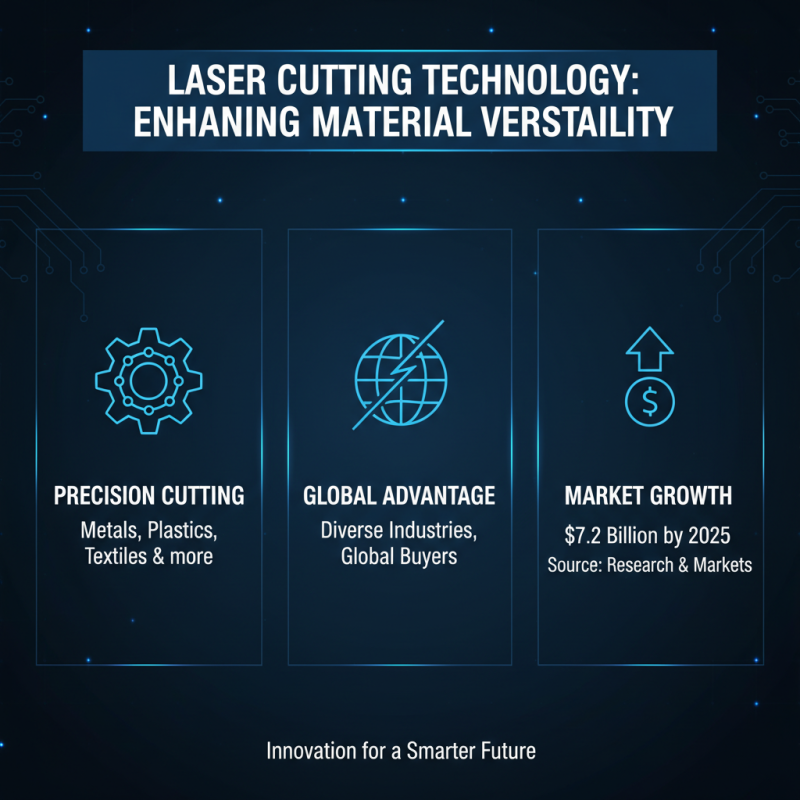
Laser cutting technology offers remarkable advantages that enhance material versatility for global buyers. This advanced technique allows for precise cutting of various materials, including metals, plastics, and textiles. According to a recent market report by Research and Markets, the laser cutting market is projected to reach $7.2 billion by 2025, signifying its growing importance in diverse industries.
One notable aspect of laser cutting is its ability to work with intricate designs. This precision often results in less waste, a crucial factor in sustainable manufacturing. Reports indicate that companies using laser cutting achieve waste reduction rates of up to 30%. Furthermore, the technology supports a wide range of thicknesses and materials. This adaptability makes it an essential tool for sectors like automotive and aerospace, where specific material properties are critical.
However, challenges remain. Not all materials are suitable for laser cutting, and the technology requires skilled operators to maximize its potential. Training is a significant investment for businesses. Additionally, operating costs can be high, especially when dealing with thicker materials. These factors necessitate careful consideration as buyers navigate the benefits and limitations of laser cutting technology.
Speed and Efficiency: How Laser Cutting Benefits Production Timelines
Laser cutting technology has revolutionized manufacturing processes. It enhances production timelines significantly. A recent industry report indicates that laser cutting can reduce operation time by up to 30% compared to traditional methods. This increased speed allows manufacturers to meet tight schedules and fulfill large orders more efficiently.
Efficiency is another crucial factor. Laser cutting offers precision that minimizes waste. According to a study by the International Society of Automation, precision achieved through laser cutting can optimize material usage by around 10-15%. This not only lowers costs but also reduces environmental impact. However, some manufacturers may overlook the initial investment costs associated with laser cutting equipment. It’s essential to weigh long-term savings against upfront expenses.
Tips for maximizing laser cutting benefits: Focus on training your staff. Skilled operators can exploit the full potential of this technology. Also, regularly maintain your laser cutting machines. This ensures consistent performance and prolongs the equipment’s lifespan. Evaluate your production needs frequently. Adapt your process as necessary; flexibility can lead to improved outcomes. A reflective approach to these aspects can enhance both efficiency and effectiveness in production.
Sustainability: Environmental Impact of Laser Cutting Practices
Laser cutting technology significantly impacts the sustainability of manufacturing processes. Reports indicate that it reduces waste compared to traditional cutting methods. According to data from the International Journal of Advanced Manufacturing Technology, laser cutting can achieve up to 90% material utilization in some applications. This high efficiency minimizes scrap, promoting a circular economy.
Moreover, laser cutting is energy efficient. A study from the American Society for Manufacturing Engineers shows that laser cutting uses at least 30% less energy than conventional methods. This reduction in energy consumption translates into lower greenhouse gas emissions. As global buyers increasingly prioritize sustainability, the adoption of laser cutting aligns with environmental goals.
However, challenges remain. The reliance on electricity and specific materials can pose risks. If energy sources are not renewable, the benefits can be compromised. In addition, the disposal of materials post-production still requires careful oversight. Industry players must address these concerns to fully realize the potential of laser cutting as a sustainable practice.
Benefits of Laser Cutting for Global Buyers
The chart above illustrates various benefits of laser cutting considered by global buyers. Each benefit is rated on a scale of 1 to 10, showcasing the significant advantages that laser cutting technology offers, including precision, material utilization, waste reduction, speed of process, and versatility.