Top 10 Tips for Effective CNC Cutting Techniques?
CNC cutting has transformed the way we approach manufacturing and fabrication. This technology allows for precision and efficiency that traditional methods cannot match. However, effective CNC cutting requires careful attention to detail and a solid understanding of the techniques involved.
Many users struggle with various aspects of CNC cutting, from tooling selections to machine settings. Mistakes can lead to wasted materials and time. It's not just about having the right tools; understanding the machine's capabilities and limitations is vital. Overlooking these factors can result in subpar results.
As we explore the top tips for effective CNC cutting techniques, we will highlight practical strategies that can elevate your work. Embracing both the potential and challenges of CNC cutting is essential for improvement. Each tip will encourage reflection on current practices, promoting growth within this advanced field.
Understanding CNC Cutting: Basics and Technology Overview
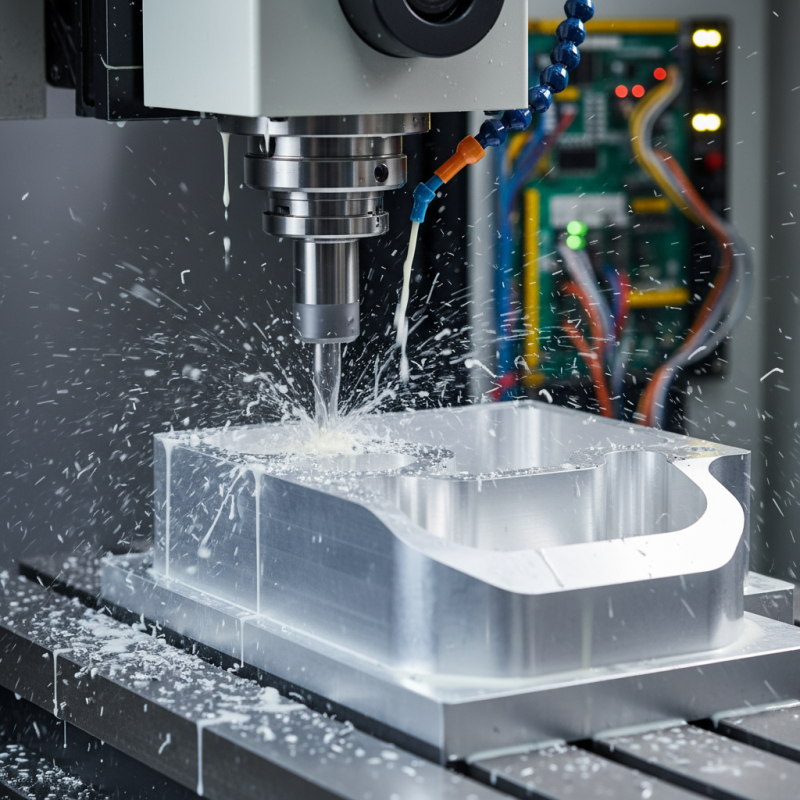
CNC cutting technology revolutionizes how materials are shaped. Understanding the fundamentals is crucial. CNC stands for Computer Numerical Control. It involves directing machines via computer commands. This technology creates precise cuts, enhancing efficiency in various industries.
The key to success lies in mastering CNC techniques. Knowledge of G-code is essential. This code dictates cutting paths and tool movements. Operators often struggle to create optimal programs. Mistakes, like incorrect parameters, can lead to wasted materials. Attention to detail is vital for preventing costly errors.
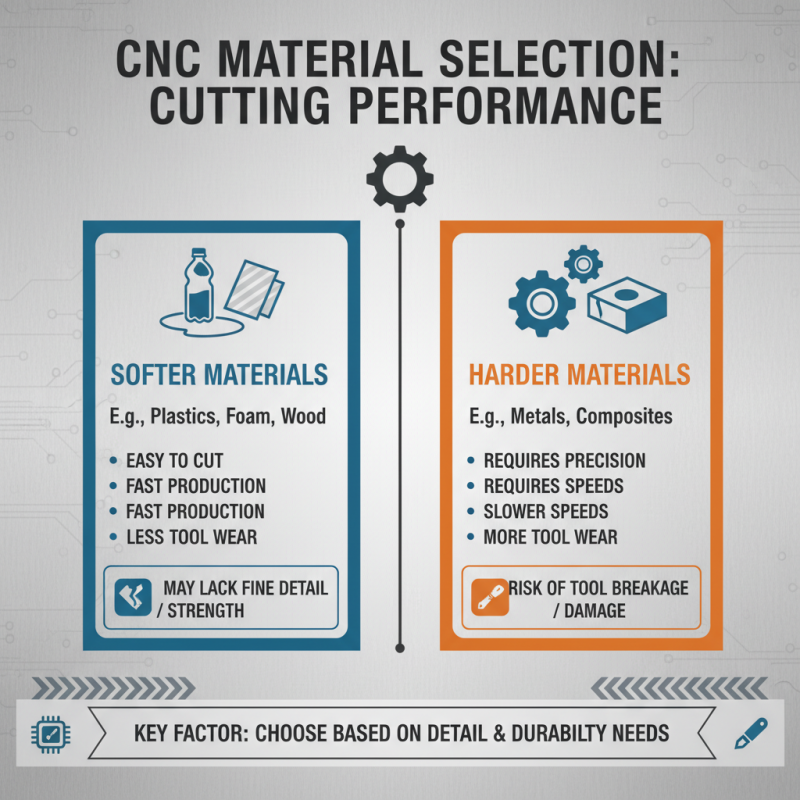
Optimizing tool selection can impact outcomes. Choosing the right bit for the material is important. Suboptimal tools can cause poor finishes. Many operators overlook regular maintenance of machines. Neglecting maintenance can result in degraded performance. A balanced approach toward tool management and machine care can enhance the cutting process.
Optimizing Tool Path Strategies for Enhanced Cutting Efficiency
Optimizing tool path strategies is crucial for efficient CNC cutting.
A well-planned tool path can significantly reduce machining time and improve accuracy.
Start by analyzing the material and adjusting your speed accordingly.
Pay close attention to the feed rate, as an incorrectly set feed can lead to chatter and poor finishes.
Consider using a contouring strategy. This allows the tool to follow a defined path closely, minimizing wasted space.
Additionally, rethink your approach for complex shapes. Sometimes, breaking down intricate designs into simpler paths can improve overall performance.
It might feel tedious, but the payoff in efficiency is worth it.
Remember to evaluate your tool wear and compensate for it regularly.
Dull tools can lead to inaccuracies and extended cutting times. Sometimes, a slight change in the cutting strategy can result in a better cut and reduced tool wear.
Experiment with different approaches, and reflect on the results to innovate your methods continuously.
Quality Control Metrics: Measuring the Success of CNC Cuttings
When measuring success in CNC cutting, quality control metrics play a vital role. These metrics help assess the precision of cuts and the integrity of finished parts. Monitor factors like thickness tolerances, surface finish, and dimensional accuracy. Collecting data on these parameters ensures each batch meets industry standards. Without proper measurement, even small errors can complicate later stages.
One useful method is statistical process control (SPC). This approach tracks variations in the cutting process. Identifying anomalies early can save materials and time. However, implementing SPC may require initial investment and team training. It's not always straightforward, and inconsistencies can arise if not monitored regularly.
Another key metric is the yield rate. This indicates how many parts pass quality checks versus how many are produced. Tracking yield helps refine processes but might expose areas needing improvement. Focusing on what does not work, like frequent rejections, can guide necessary adjustments. Aiming for perfection is a continuous process filled with challenges. Reflection on these metrics fosters a culture of quality and innovation.
Advancements in CAD/CAM Software for Precision CNC Operations
The integration of CAD/CAM software has transformed CNC operations significantly. Recent studies indicate that businesses utilizing advanced software experience a 30% increase in productivity. This rise is attributed to enhanced design capabilities and automation features. Effective software enables seamless transitions from design to production, reducing human errors. However, some users report a steep learning curve. This can delay adaptation in smaller firms.
Precision in CNC cutting is crucial for quality outcomes. Modern CAD/CAM tools offer precise calculations for tool paths, improving cut accuracy. According to industry reports, cutting errors can lead to 20% material waste. By leveraging software innovations, manufacturers can minimize these losses. Yet, reliance on software also raises concerns. Over-dependence may result in skill deterioration among operators. Balancing technology with hands-on practice is essential for sustained expertise.
Moreover, real-time monitoring features in CAD/CAM allow for quick adjustments during operations. This responsiveness is key in reducing downtime and enhancing product consistency. Data suggests that real-time feedback can lower defect rates by up to 15%. Despite these advantages, it's vital for teams to ensure everyone is trained. Without proper training, the potential of advanced software remains underutilized. Engaging all team members fosters a culture of continuous improvement.